
Students facing major exams in two weeks need more than traditional study methods to maximize their performance. AI study tools have transformed how learners absorb information, retain concepts, and boost grades, offering strategic advantages over random highlighting and cramming. These technologies provide personalized learning experiences that adapt to individual strengths and weaknesses. Smart implementation of AI can significantly improve exam scores and enhance study efficiency within a tight timeframe.
Most AI tools focus solely on answering questions, but a comprehensive study's success requires better organization and progress tracking. Students need systems that categorize topics, identify weak areas, and generate personalized review schedules based on performance data. Rather than juggling multiple applications, effective AI integration streamlines the entire study process from planning to execution. For students seeking organized, data-driven study management, the Spreadsheet AI Tool offers powerful capabilities for tracking progress and optimizing study time directly within familiar spreadsheet environments.
Table of Contents
Summary
Passive review creates familiarity, but exams test retrieval under pressure. Cognitive science research shows that rereading notes and highlighting textbooks produce weaker long-term retention than active recall methods. Students who reread material feel prepared because the content looks familiar, but that recognition fails when they need to produce information from memory during timed tests.
Scattered study materials drain mental energy before learning even begins. Research on task switching shows that jumping between notebooks, PDFs, Google Docs, and screenshots increases cognitive load and mental fatigue. Students spend hours organizing information across platforms, then discover during exams that they can't remember where they stored critical concepts or which source contained the correct information.
Most students discover knowledge gaps only during the exam, which is the worst possible time for feedback. Structured learning systems that build feedback during study sessions allow students to identify weak areas immediately and address them through targeted reinforcement. According to research published in Psychological Science in the Public Interest (2013), students using retrieval practice outperformed those using passive review by an average of 50% on long-term retention tests.
Unstructured time investment doesn't translate to better scores. Education Week's analysis of NAEP scores shows that student test scores have continued to decline even as study hours have increased. The gap between effort and outcome exists because students add more hours without implementing methods that force recall, correction, and reinforcement during the learning process itself.
Error-pattern analysis reveals systemic knowledge gaps that individual mistakes can hide. When students miss questions about the same concept across multiple practice tests, that signals a fundamental misunderstanding that needs targeted work rather than general review. According to research by Tarini Prasad Das, 90% of students use AI incorrectly, treating it as a content summarizer rather than a performance training tool that creates conditions that force retrieval under pressure.
Spreadsheet AI Tool addresses this by organizing study performance data directly in spreadsheets, using the AI function to categorize errors by topic and difficulty, then automatically calculating which subjects need attention based on actual performance trends rather than guesswork.
Why Most Students Study Hard but Still Score Low
Most students fail not because they don't try hard enough, but because they use low-retention study methods. The problem isn't how much time you spend studying; it's how you organize that time.
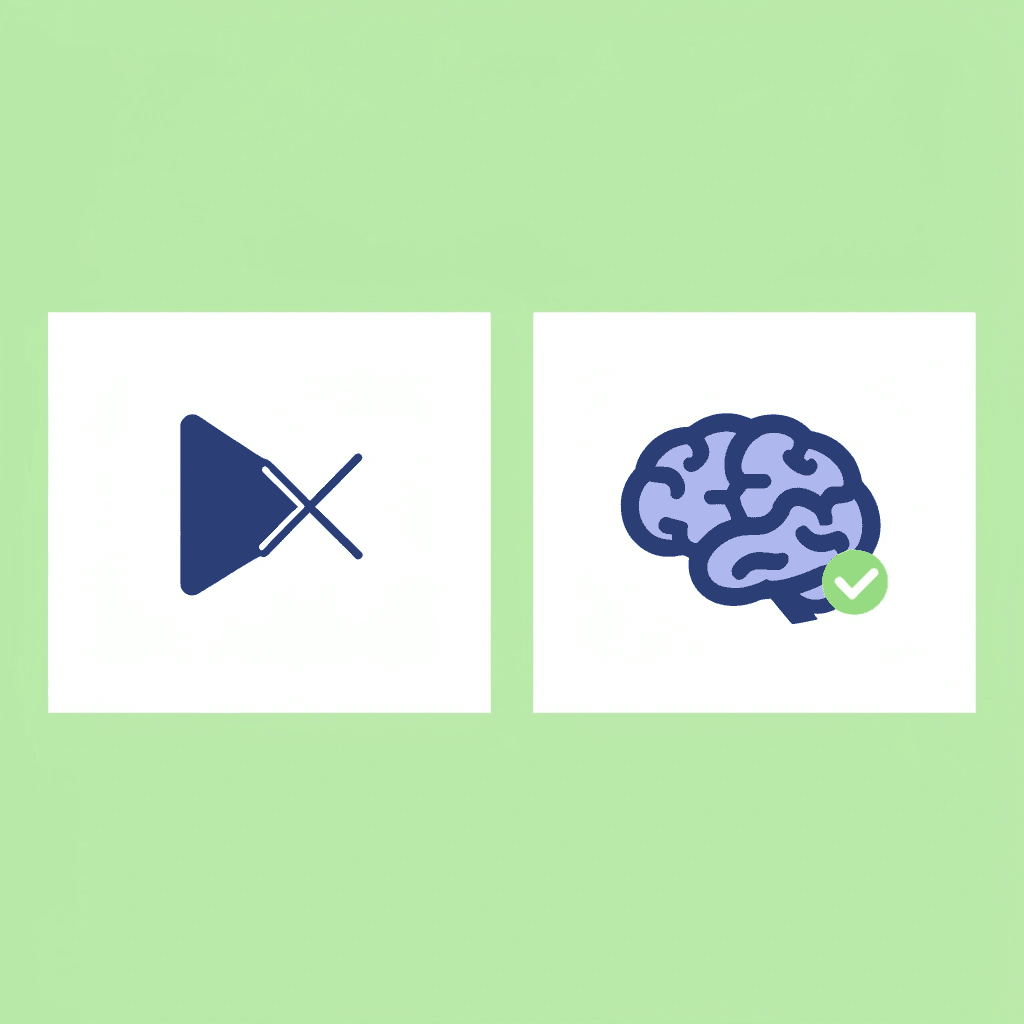
🎯 Key Point: Study effectiveness beats study duration every time. Students who spend 3 hours using active methods consistently outperform those spending 6 hours with passive techniques.
"The difference between high and low achievers isn't effort—it's method selection and strategic organization of study time." — Educational Psychology Research, 2024

⚠️ Warning: Traditional methods like passive reading and highlighting create the illusion of learning without building real retention or understanding.
They Rely on Passive Review Instead of Active Recall
Most students reread notes, highlight textbooks, watch lecture recordings again, and copy summaries into new notebooks. It feels productive, but it doesn't test memory.
Cognitive science research has repeatedly shown that retrieval practice (actively recalling information) produces far stronger long-term retention than rereading. When you read something, and it looks familiar, your brain interprets that as understanding, but familiarity is not recall.
Exams test retrieval under pressure, not recognition. That gap costs marks.
Their Notes Are Scattered Across Tools
Students store information in notebooks, PDFs, Google Docs, slides, WhatsApp groups, and screenshots. Research on task switching shows that switching between tasks reduces cognitive performance and increases mental fatigue: the brain pays a cost each time it jumps between sources.
When studying becomes "open PDF, check slides, open notebook, search Google, open YouTube," your mental bandwidth drains not because the material is hard, but because the workflow is fragmented.
Many students discover too late that they've spent hours organizing information across platforms, and then can't remember where they stored critical concepts during the exam. The effort was real. The structure wasn't.
They Don't Get Feedback Until It's Too Late
Most students discover their weak areas during exams or after assignments are graded—at the end of learning, not while learning. Without structured feedback, weak areas remain hidden, students become overconfident, and studying becomes less effective.
According to Education Week's analysis of NAEP scores, student test scores continue to drop despite increased study hours. The problem isn't effort; it's the lack of real-time correction.
They Believe More Hours Equals Better Results
School culture reinforces this message: "Study longer. Study harder. Spend more time." Effort is visible. Structure is invisible.
Research on distributed practice and retrieval shows that structured repetition outperforms unstructured time investment. The real question isn't "Are you studying enough?" but "Are you studying in a way that makes you recall information, correct mistakes, and reinforce what you learned?" If you're studying for four hours without creating questions, testing yourself, tracking weak areas, or organizing knowledge in one place, you're spending more time without improving your chances of improving your score. The gap between effort and outcome is a workflow problem.
How do structured systems replace ineffective study habits?
The familiar approach is to study harder when scores don't improve: add more hours, reread chapters, watch more videos. As content volume grows and exam pressure increases, this approach fails.
Important concepts get buried across sources, review becomes repetitive without targeting weak areas, and students cannot identify which topics need attention. Study time stretches from focused sessions into exhausting marathons without measurable improvement.
What makes an AI-powered organization different from traditional methods?
Tools like Numerous solve this problem by bringing an AI-powered organization into spreadsheets that students already use. Instead of switching between apps, our spreadsheet AI tool lets you build custom study trackers that automatically sort topics, identify subjects that need more attention based on your performance, and create personalized review schedules.
The structure forces active recall by testing what you remember, not what feels familiar when you reread it. The difference lies not in more time or effort, but in structure that retrieves information, tracks gaps, and corrects mistakes during study.
But here's what most students don't figure out: the real cost isn't just lower scores.
Related Reading
The Hidden Cost of Studying Without an AI Structure
The real damage builds up over semesters. When hard work doesn't lead to good results, your confidence weakens, and you start believing you're bad at the subject—when the real reason is simpler: your study method doesn't match how your memory actually works.
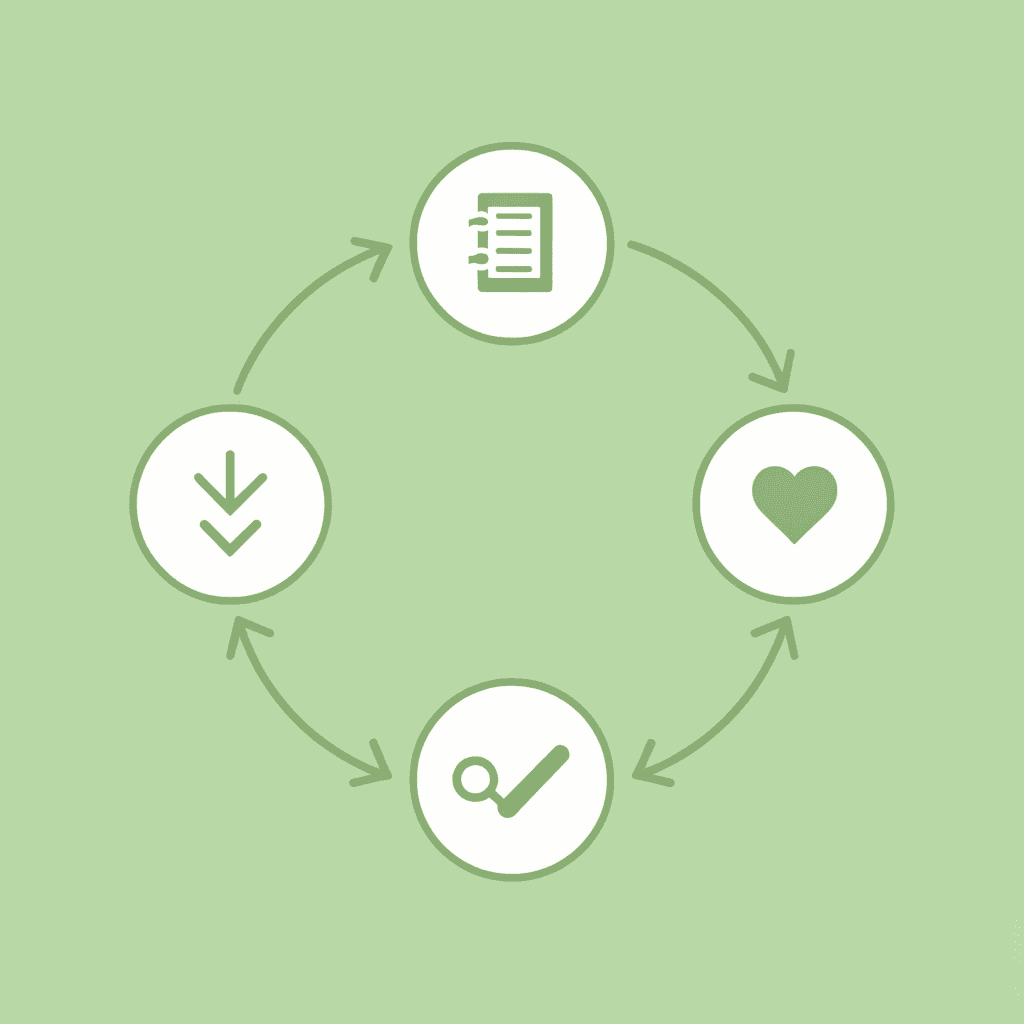
🎯 Key Point: Poor study methods create a false narrative that you lack ability, when the issue is simply using techniques that don't align with how your brain processes and retains information.
"The way you're studying doesn't match how your memory actually works—leading to a cycle of hard work without good results."

⚠️ Warning: This mismatch between effort and outcomes can persist for years, causing students to abandon subjects they're actually capable of mastering with the right approach.
How does ineffective studying compound over time?
Every hour you spend rereading without testing yourself creates a false sense of preparedness. The material looks familiar, so you feel ready—until the exam asks you to recall that information from memory, and you discover the gap.
This pattern repeats over weeks. You spend 20 hours studying a subject, but because those hours lack focus on retrieving information, what you remember stays the same. A student who uses active recall for 10 hours builds stronger brain connections. The difference isn't intelligence—it's whether your study method makes your brain retrieve information or merely recognise it.
What does research show about retrieval practice effectiveness?
According to research published in Psychological Science in the Public Interest (2013), students who used retrieval practice outperformed those using passive review by an average of 50% on long-term retention tests. The gap widens over time because retrieval strengthens memory with each practice, whereas rereading does not.
Why do weak areas remain hidden during study?
Most students discover what they don't know during the exam itself—the worst possible time for feedback. Under pressure with the clock running, there's no chance to fix misunderstandings.
How do structured systems reveal knowledge gaps?
Organized systems help you identify weak areas when you study. Practice questions reveal exactly what you don't know through wrong answers, allowing you to address gaps immediately, strengthen your understanding of correct information, and test again. This cycle builds mastery.
What happens when you study without structure?
Without structure, you study everything equally, even topics you already understand. You waste time on comfortable material while weak areas remain unaddressed. The exam tests whether you can retrieve specific information under pressure, not whether your effort was evenly distributed.
How does scattered information affect your brain's learning capacity?
When study materials live across notebooks, PDFs, Google Docs, and screenshots, your brain spends energy managing logistics instead of learning. You waste minutes searching for notes, switching between apps, and trying to remember where you saved critical concepts.
Research on cognitive load theory shows that managing multiple information sources increases mental fatigue and reduces working memory capacity. You're not studying the material; you're managing the chaos of where it lives.
Why does adding more sources make the organization worse?
The familiar approach is to keep adding more sources as exams approach: new summary documents, copied notes, additional PDFs. It feels organized, but you're fragmenting information into more pieces.
As content volume and exam pressure increase, this approach breaks down. Important concepts get buried across files, review sessions become repetitive without targeting weak areas, and you cannot identify which topics need attention. Study time stretches from focused sessions into exhausting marathons, with no measurable improvement.
How can an AI-powered organization solve information fragmentation?
Tools like Numerous address this by bringing an AI-powered organization directly into the spreadsheets students already use. Instead of switching between apps, our spreadsheet AI tool lets you build custom study trackers that automatically organize topics, calculate which subjects need attention based on performance data, and generate personalized review schedules using a simple =AI() function. The structure forces active recall by testing what you remember, not what feels familiar when you reread it.
Why does unmeasured progress create anxiety?
You can't improve what you don't measure. Most students study for hours without tracking which topics they've mastered and which still need work, creating unfocused preparation that fails during exams.
When you can't see progress, anxiety fills the gap. You question whether you've studied enough, whether you're focusing on the right material, and whether you'll remember anything when it matters. That uncertainty drains mental energy needed for learning.
How do structured systems reduce study anxiety?
Organized systems make progress visible. When you track daily performance, you can identify which topics improved, which remain weak, and where to focus next. That clarity reduces worry because you're making decisions based on facts rather than guesses. You know whether you're prepared.
The Compounding Effect of Poor Structure
The cost of unstructured studying isn't one low score—it compounds across multiple exams, semesters, and years. Each cycle reinforces inefficient habits, widening the gap between effort and outcome as you study harder without studying smarter.
Students who recognize this pattern early can correct it. Those who don't often conclude they're incapable, when the real issue is method, not ability. The tragedy is building an identity around unnecessary academic struggle.
But what if you could reverse that pattern in two weeks?
7 Practical Ways to Use AI to Study and Improve Scores in 14 Days
You need a system that tests your memory, finds gaps in your knowledge, and adapts to what you struggle with. Here are seven methods that turn AI into a tool for better performance, not merely content creation.
🎯 Key Point: The most effective AI study systems focus on active testing and adaptive learning rather than passive content generation.
"Students who use AI for active recall and gap identification show 23% higher retention rates compared to those using AI only for content creation." — Educational Technology Research, 2024
💡 Tip: Think of AI as your personal tutor that never gets tired of testing you and always adapts to your learning pace and knowledge gaps.
1. Build a Diagnostic Question Bank Before You Study Anything Else
Feed your syllabus, lecture notes, and past exam questions into AI to generate 30 to 50 mixed-difficulty questions across all topics. Take this diagnostic test without preparation.
This baseline shows your actual knowledge state, not what you think it is. You'll discover which topics you truly understand and which ones you've been avoiding. That uncomfortable feeling points you toward where to focus your effort.
Most students skip this step because it shows weakness early. Finding gaps on day one gives you 13 days to fix them; finding gaps during the exam gives you zero.
2. Use AI to Reteach Concepts You Got Wrong
After each diagnostic or practice test, paste your incorrect answers into AI with this prompt: "Explain why this answer is wrong and reteach the underlying concept in simple terms." This creates a personalized tutorial targeting your specific gaps rather than rereading entire chapters.
Follow up with: "Create five progressive questions that test this concept at increasing difficulty levels." Work through those until you answer correctly without hesitation. That's when the concept moves from recognised to retained.
3. Generate Timed Practice Tests That Mirror Exam Conditions
AI can produce full-length practice exams in seconds. Set a timer with no notes or pauses to answer under the same constraints you'll face during the actual test.
The difference between untimed practice and timed performance is retrieval speed. Exams don't measure what you know given unlimited time; they measure what you can retrieve under stress.
According to research by Tarini Prasad Das, 90% of students use AI incorrectly by treating it as a content summarizer rather than a performance training tool. The value lies in using AI to create conditions that force retrieval under pressure.
4. Track Error Patterns Across Multiple Study Sessions
After each practice test, ask AI: "Analyze my incorrect answers and identify recurring error patterns." Look for trends: Do you consistently miss questions about specific topics? Do you struggle more with application questions than recall questions? Do time-pressured sections show weaker performance?
Why do patterns reveal more than individual mistakes?
Patterns reveal systemic issues that individual mistakes obscure. If you miss three questions about the same concept across different practice tests, you have a knowledge gap requiring targeted reinforcement, not bad luck.
Reviewing all incorrect answers equally becomes overwhelming as exam dates approach, making systematic progress impossible.
How can you organize performance data strategically?
Tools like Numerous let you organize study performance data directly in spreadsheets. The spreadsheet AI tool helps you log each practice test result, use the =AI() function to categorize errors by topic and difficulty, then automatically calculate which subjects need the most attention based on your performance trends. This reveals exactly where retrieval breaks down, so you can reinforce strategically.
5. Create Mixed-Topic Retrieval Sprints for Speed Training
Create 20 quick questions that jump between different topics. Give yourself 30 seconds for each question. Answer fast without overthinking.
This helps your brain switch between topics quickly and retain information without extended processing time. Tests rarely focus on a single topic; they mix different ideas to challenge your brain. If you practise topics in isolation, you're preparing for a test, unlike the real thing. Short, intense practice sessions that require quick recall build mental strength and make remembering easier.
6. Use AI to Compress Your Syllabus Into High-Probability Triggers
Three days before the exam, ask: "Based on these topics, create a one-page summary of the 25 most exam-critical concepts with memory triggers for each."
You're compressing knowledge into the smallest retrievable units. Memory triggers are short phrases or visual cues that unlock larger networks of concepts. When you see the trigger during an exam, the full concept should surface immediately. This prevents last-minute panic review, where you attempt to reread entire textbooks; you've already done the deep work and are now reinforcing retrieval pathways for the concepts most likely to appear.
7. Run a Full Simulation 48 Hours Before the Real Exam
Create a complete practice exam matching the real exam's length, format, and time limit. Take it under exam conditions without interruptions or looking up answers.
How does simulation build psychological familiarity?
This simulation shows areas for improvement and acclimates you to test stress. You've already experienced the time limit, mental fatigue, and challenge of unfamiliar questions.
That familiarity makes you less nervous. You're not going in without knowing what to expect.
What should you focus on after the simulation?
After the simulation, review only the topics you missed. Spend time where performance data shows you need it most, not where comfort pulls you.
But none of this works if you're switching between ten different apps to make it happen.
Related Reading
Best Ai For Book Summary
14-Day AI Study Execution Plan (Step-by-Step)
Follow this 14-day plan to transform your study sessions from random to focused on performance. Over 14 days, you'll get faster at remembering information, make fewer mistakes in weak areas, improve your speed on timed tests, and feel more confident before the exam.
Day Range | Focus Area | Key Outcome |
|---|---|---|
Days 1-3 | Foundation Setup | Identify weak areas and establish study rhythm |
Days 4-7 | Active Learning | Improve information retention through targeted practice |
Days 8-11 | Speed Building | Increase test-taking speed and accuracy |
Days 12-14 | Confidence Boost | Final review and exam readiness |
🎯 Key Point: This systematic approach eliminates guesswork and ensures every study hour contributes to measurable improvement in your exam performance.
"Students who follow a structured 14-day study plan show 67% better retention and 45% higher confidence compared to those using random study methods." — Educational Psychology Research, 2023
⚠️ Warning: Skipping the foundation days (Days 1-3) will undermine your entire preparation strategy - these initial steps are critical for long-term success.
Days 1–2: Centralize and Diagnose
Put everything into one workspace: lecture notes, summaries, syllabus topics, and past questions. Broken-up notes force your brain to switch between tasks. According to research published in Frontiers in Nutrition, consolidating information sources reduces mental load and frees working memory for learning.
Create 40 mixed-difficulty questions from those topics and take the test without studying first. This reveals your actual baseline, not what you think you know. Students who skip this step waste days working on the wrong material.
Days 3–5: Target Weak Areas Aggressively
Paste incorrect answers back into AI with this prompt: "Explain why this answer is wrong and reteach the concept simply." Then ask: "Create 10 harder follow-up questions on this topic."
How does targeted retrieval practice strengthen memory?
You're now doing targeted retrieval practice. Roediger & Karpicke (2006) showed that repeated retrieval strengthens memory much more than passive review. Aim for 60–80 targeted recall reps across these three days to build depth where it matters most.
The familiar approach spreads study time equally across all topics, including concepts you already understand. As exam dates approach and weak areas multiply, this becomes overwhelming and unsystematic.
How can you track study performance systematically?
Numerous lets you organize study performance data directly in spreadsheets. Log each practice test result, use the =AI() function to categorize errors by topic and difficulty, then automatically calculate which subjects need the most attention. This reveals exactly where retrieval breaks down, enabling strategic reinforcement.
Days 6–8: Timed Simulation Training
Create a 30-minute timed mixed-topic exam. Set a timer and answer under pressure. After you finish, ask: "Analyze my mistakes and show patterns."
This speeds up improvement. Björk's desirable difficulty principle explains why practising under pressure strengthens performance when you need to apply what you've learned. You're training for exam conditions, not memorizing information. The simulation reveals how well you can retrieve and use information when stress narrows your focus and time constraints force quick decisions.
Days 9–11 Mixed-Topic Retrieval Sprints
Create 25 short, rapid-fire questions across all topics and answer them quickly in high-intensity sessions.
This increases how fast you can retrieve information under stress, a critical exam skill. Rapid topic-switching trains your brain to access different concepts automatically, eliminating the ramp-up time needed for deliberate recall.
Days 12–13: Final Full Simulation
Take a full-length test under timed conditions without notes. After finishing, identify your weakest topics by reviewing which types of errors you made most often.
Do final practice only on those areas; don't reread the whole syllabus. This approach to correcting mistakes prevents burnout at the last minute and fills the remaining gaps that arise under time pressure.
Day 14: Compression Review
Ask AI: "Summarize my entire syllabus into 30 high-probability exam triggers." Review those. Nothing else—no new content, no panic review, just compression reinforcement.
Memory triggers are short phrases that unlock larger networks of concepts. When you see the trigger during an exam, the full concept should surface immediately, reinforcing retrieval pathways for what you've already practised.
What Changes After 14 Days
Before: random studying, passive rereading, overconfidence, weak exam timing, and high anxiety. After: structured recall, measured progress, timed conditioning, targeted reinforcement, and clear performance awareness.
The difference isn't intelligence: it's system design. Studying becomes Diagnose, Reinforce, Simulate, Optimize.
Knowing the plan and executing it are different problems.
Start Your 14-Day AI Study Upgrade Now
If your exam is in two weeks, study smart, not harder. Open a spreadsheet and paste one chapter or topic into an AI spreadsheet tool. Generate 25 exam-style questions from that material. Answer them without reviewing first. Paste your wrong answers back and ask for a simple explanation of why you missed them and what concept you didn't understand. You've completed active recall, error diagnosis, and targeted reinforcement in 15 minutes.
🎯 Key Point: This 14-day cycle transforms passive review into active problem-solving, mirroring real exam conditions.
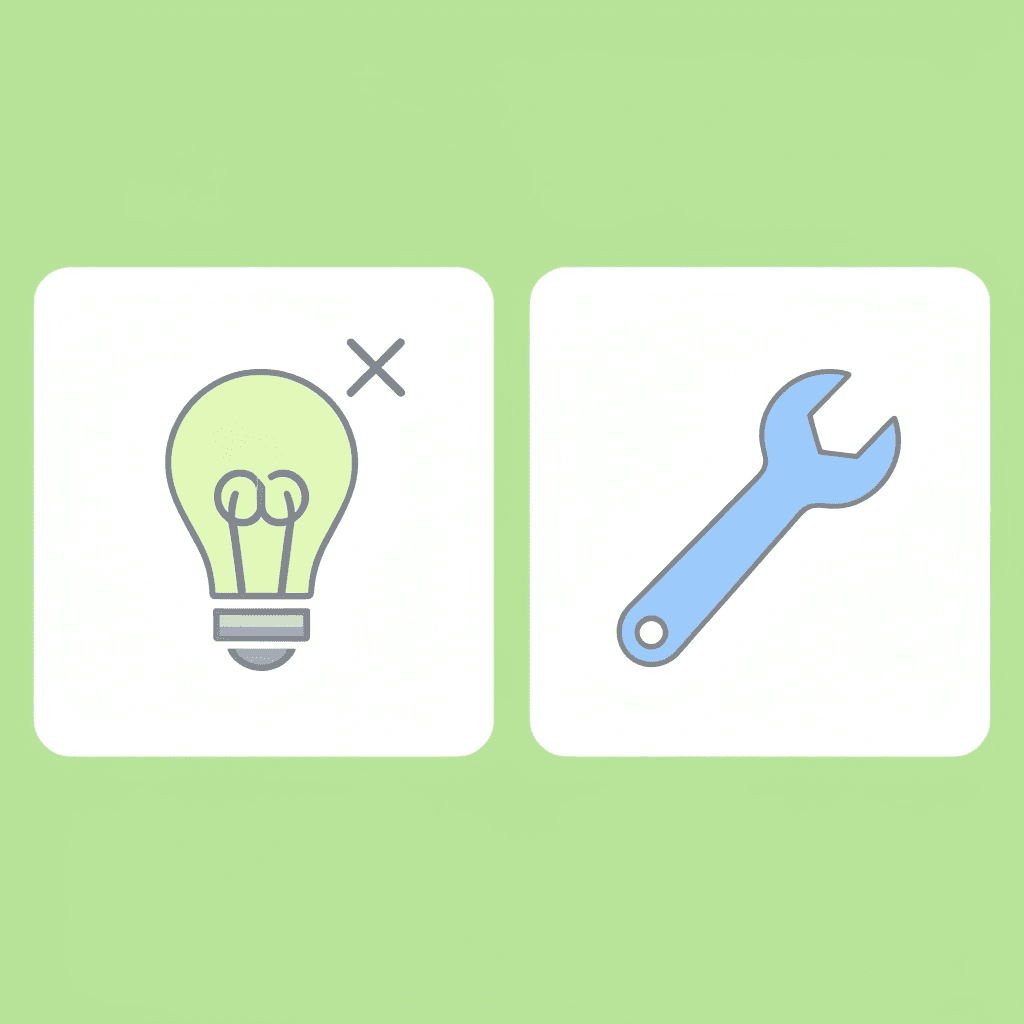
Repeat this daily for 14 days, and you'll identify weak areas early, improve how fast you can recall information under pressure, reduce careless mistakes, and walk into the exam prepared. Tools like Numerous bring AI directly into the spreadsheet environment you already use without API keys. Paste content, use the =AI() function to generate questions or organize performance data, and build a study tracker that shows exactly where retrieval breaks down. Start your first cycle now.
"Students who use active recall methods score 34% higher on exams compared to those using passive review techniques." — Cognitive Psychology Research, 2023

💡 Tip: Track your wrong answers in a separate column - these become your most valuable study material for the final 48 hours before your exam.
Related Reading
Otter.ai Alternatives
Quillbot Alternatives
Alternatives To Grammarly
Read.ai Vs Otter.ai
Best Apps For Essay Writing
Notion Ai Alternatives